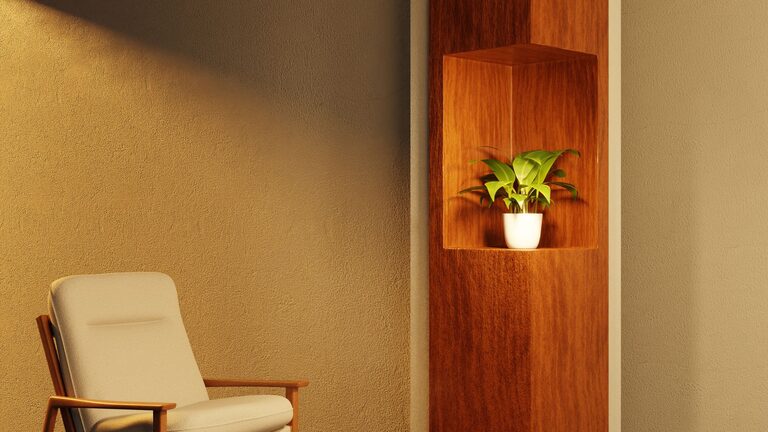

Creating a productive home office environment is essential for anyone working remotely or managing tasks from home. A well-designed workspace can enhance focus, reduce distractions, and promote efficiency. Whether you are new to working from home or looking to improve your current setup, these tips can help you build a space that supports your best work.
Choose the Right Location
Consider Natural Light
Whenever possible, position your home office near a window. Natural light can improve your mood and reduce eye strain. If natural light is limited, invest in good quality lighting that mimics daylight to keep the space bright and inviting.
Minimize Noise and Distractions
Select a quiet area in your home where interruptions will be minimal. Use noise-cancelling headphones or white noise machines if needed. If you share your space with others, communicate your work hours to reduce disturbances.
Invest in Ergonomic Furniture
Comfortable Chair
A supportive chair is a must. Look for one with adjustable height, lumbar support, and comfortable cushioning to maintain good posture throughout the day.
Desk Setup
Choose a desk with enough surface area for your computer, documents, and other essentials. Adjustable desks that allow sitting or standing can also be beneficial for your health.
Organize for Efficiency
Declutter Your Workspace
Keep only what you need on your desk. Clutter can be distracting and reduce productivity. Use drawers, shelves, or organizers to store supplies and paperwork neatly.
Use Digital Tools
Minimize paper clutter by using digital tools for note-taking, task management, and file storage. Cloud-based services also make it easier to access your work from anywhere.
Personalize Your Space
Adding personal touches can make your workspace more enjoyable and motivating. Consider adding plants, artwork, or photos that inspire you. However, be mindful not to overdecorate, as this could become distracting.
Set Boundaries and Routines
Define Work Hours
Set clear work hours and communicate them to household members. Having a routine helps you separate work life from personal life, improving focus during work and relaxation afterward.
Take Breaks
Schedule regular breaks to move, stretch, and rest your eyes. Short breaks refresh your mind and prevent burnout.
Maintain Proper Technology Setup
Reliable Internet
A stable internet connection is critical for remote work. If possible, connect your computer directly to the router with an Ethernet cable for better reliability.
Backup Systems
Regularly back up important files to prevent data loss. Use cloud services or external drives for extra security.
Improve Air Quality and Comfort
Good ventilation and comfortable temperature can impact your focus and wellbeing. Open windows when possible or use air purifiers. Keep your workspace at a comfortable temperature throughout the day.
Keep Healthy Habits
Stay Hydrated and Nourished
Keep a water bottle nearby and remember to drink throughout the day. Healthy snacks can also help maintain energy levels.
Incorporate Movement
Try to include some physical activity during the day. Standing, stretching, or short walks can improve circulation and reduce fatigue.
Evaluate and Adapt Regularly
Periodically assess your home office setup to see what works and what doesn’t. Make adjustments as needed to maintain an environment that supports your productivity and comfort.
—
Creating a productive home office is a combination of thoughtful planning, comfortable furniture, organization, and mindful habits. By following these tips, you can build a workspace that helps you stay focused, motivated, and successful in your work-from-home routine.