
Creating a home office that is both cozy and functional can greatly improve your comfort and productivity while working from home. Whether you have a dedicated room or just a small corner, making the space inviting and well-organized will help you focus and enjoy your workday. Here are some helpful tips to design the perfect home office that meets your needs.
Choose the Right Location
Finding the best spot for your home office is the first step. Ideally, pick a quiet area in your home that receives plenty of natural light, which can boost mood and reduce eye strain. If possible, select a space away from high-traffic areas to minimize distractions.
If you don’t have a separate room, a corner of the living room or bedroom can work well. Use furniture or screens to create a sense of separation and privacy.
Invest in Comfortable, Ergonomic Furniture
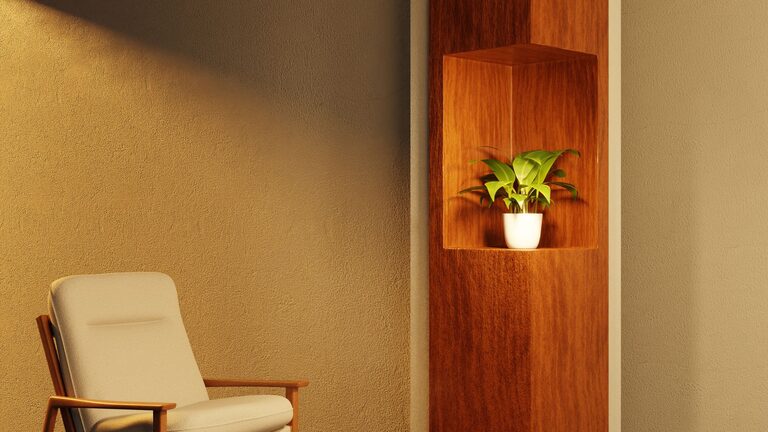
Comfort is key when setting up your workspace. Choose an ergonomic chair that supports your back and promotes good posture. Adjustable chairs and desks allow you to find the perfect height for your body, reducing the risk of discomfort or injury.
A desk with enough surface area to hold your computer, notebooks, and other essentials will help you stay organized. Consider options with built-in storage or add small organizers to keep your desktop clutter-free.
Optimize Lighting
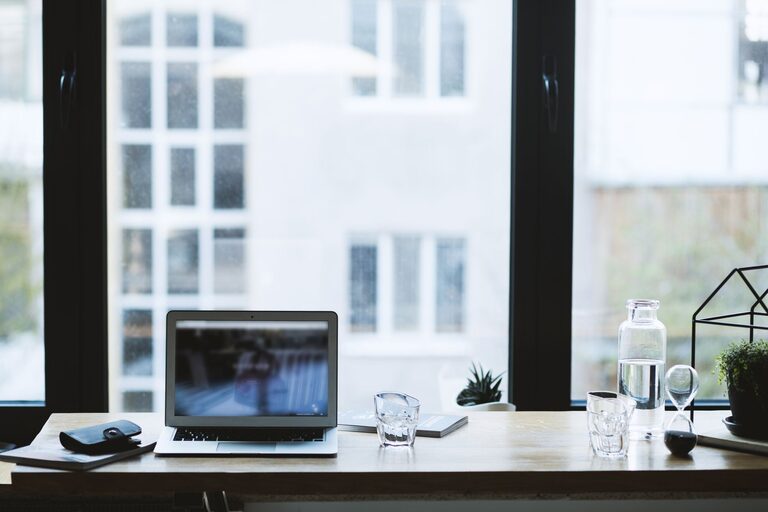
Proper lighting is essential in a home office. Maximize natural light by positioning your desk near a window, but avoid glare on your computer screen. Complement daylight with good quality artificial lighting.
A combination of overhead lighting and a focused task lamp allows you to adjust the brightness based on the time of day and the work you’re doing. Warm light bulbs can create a cozy atmosphere, while brighter white lights can help maintain alertness.
Personalize Your Space
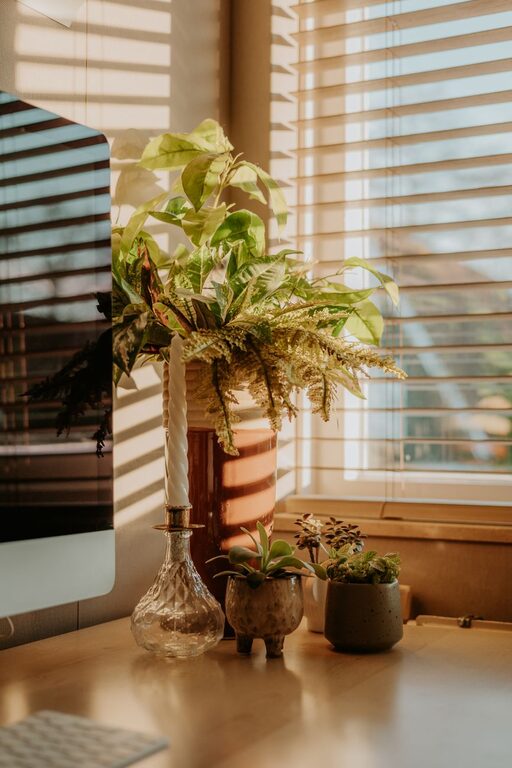
Making your workspace inviting encourages you to spend more time there. Add personal touches like artwork, photos, or plants to create a pleasant environment.
Plants not only add color and life but also improve air quality and reduce stress. Choose low-maintenance varieties like succulents, snake plants, or pothos if you don’t have a green thumb.
Keep It Organized
Clutter can distract and overwhelm. Use storage solutions such as shelves, drawers, and organizers to keep your supplies neat and accessible.
Label boxes or containers to easily find what you need. A clean workspace also makes it easier to focus and feel motivated.
Incorporate Technology Thoughtfully
Set up your technology to streamline your work. Use high-speed internet and invest in accessories like wireless keyboards, headphones, or a second monitor if needed.
Manage cables with clips or sleeves to prevent tangling. A quality webcam and microphone are important for video calls, helping you stay connected with colleagues and clients.
Create Zones for Different Activities
If your workspace allows, create distinct areas for various tasks. For example, a primary desk for computer work, a small table for brainstorming or writing by hand, and a comfortable chair for reading or making calls.
Zoning your office can help maintain focus and keep your materials organized according to the task.
Maintain a Healthy Work-Life Balance
Finally, design your home office in a way that encourages healthy habits. Keep your workspace separate from relaxation areas to mentally switch between work and downtime.
Set a routine that includes breaks, stretches, and moments to step away from the desk. Using a timer or app can remind you to pause regularly.
—
Final Thoughts
Designing a cozy and functional home office takes a bit of planning, but the results are worth it. By prioritizing comfort, organization, and personalization, you can create a space that helps you stay productive and enjoy your work-from-home experience. Remember, your home office should reflect your needs and style, making it a place where you feel motivated and comfortable every day.